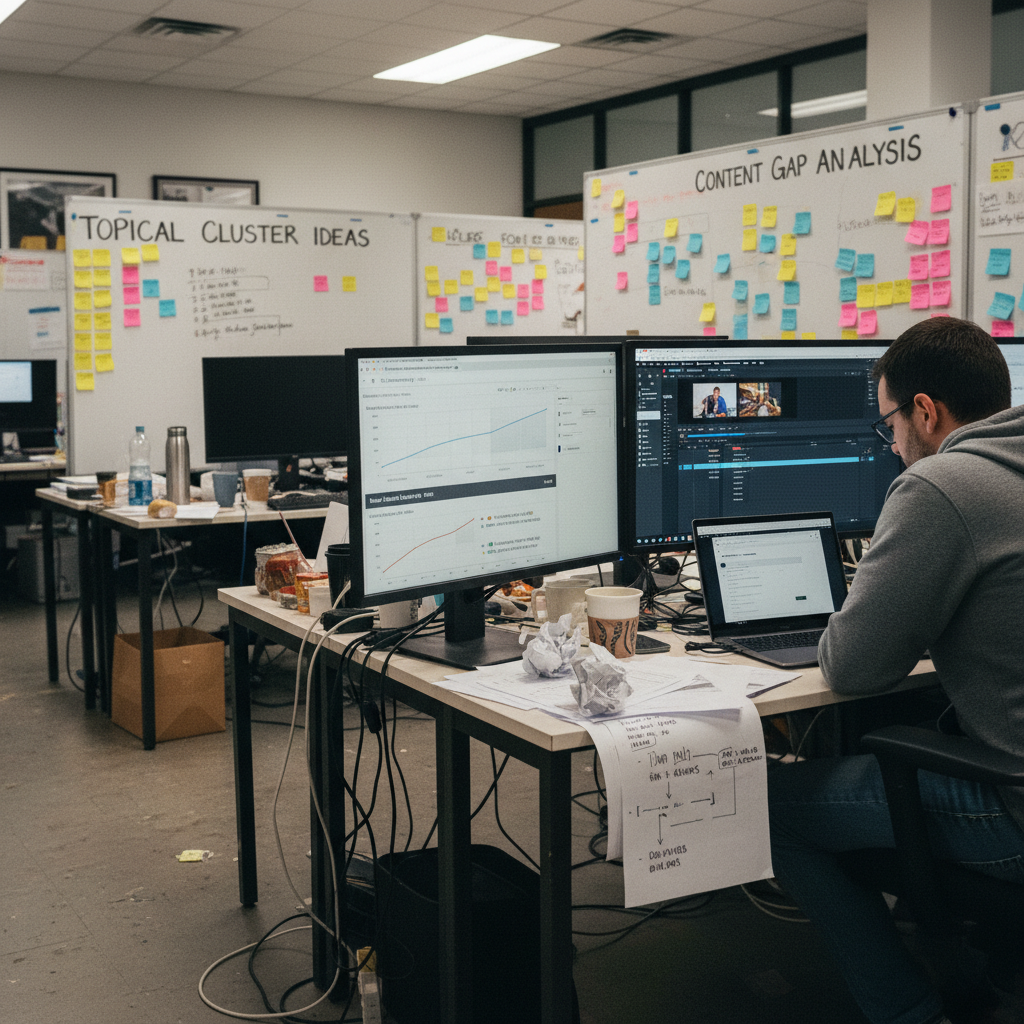
Generative Engine Optimisation (GEO) is on track to replace traditional Search Engine Optimisation (SEO) strategies by 2026, according to LinkedIn’s Big Ideas 2026 list. This shift reflects the growing dominance of AI-driven tools such as chatbots and answer engines, which are changing how users discover brands online.
Unlike conventional SEO, which focuses primarily on achieving higher rankings on search engines like Google, GEO is designed to optimise a brand’s visibility across multiple generative AI platforms. As this trend accelerates, marketers are moving beyond search ranking tactics to focus on appearing in AI-generated results. This fundamental change in strategy is reshaping how companies develop and deliver their products, services, and messaging.
The methods used in traditional SEO and GEO may overlap, but that overlap is shrinking fast. GEO requires businesses to reimagine content in a way that integrates seamlessly with AI tools, which are increasingly becoming the first interaction point for consumers looking for answers or products. LinkedIn’s report highlights how being discoverable in AI outputs is likely to play a critical role in future digital strategies.
Market analysts have noted that GEO is no longer just a niche concept but is quickly growing to become a foundational component of online visibility. By integrating with multiple AI platforms rather than focusing on search algorithms alone, businesses can stay ahead of the curve as this technological shift evolves. Industry leaders believe this approach will not be a standalone tactic but rather a core part of business strategies moving forward.
For agencies, in-house teams, WordPress website owners, content marketers, SEO professionals, and small business owners, preparing for this shift now will be critical for long-term success in the AI-driven discovery landscape.
One useful tool for adapting to GEO-focused strategies is the ContentBoost Plugin, which can support content optimisation efforts across platforms.
Source: AI Magazine
Source: AI Magazine